

Attachment and relationship-focused therapy for individuals who want to understand how they respond to closeness, distance, conflict, and change.
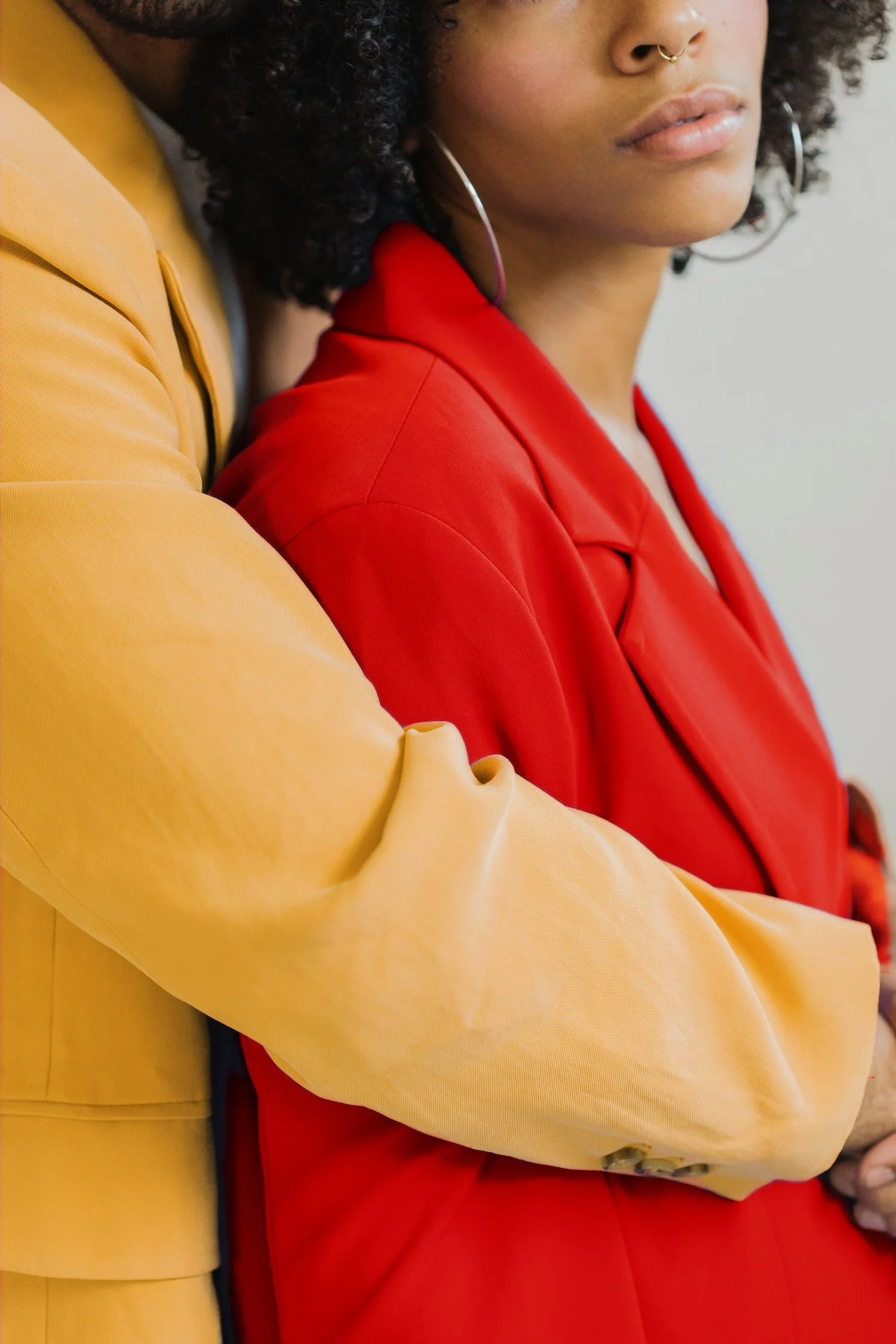

Your attachment patterns can affect how you communicate, what you assume, and how you react when the relationship feels uncertain.
You may be afraid to speak up, become highly anxious when your partner’s energy changes, or shut down when emotions become intense. We look at how past relationships, self-talk, and emotional patterns are affecting the relationship you are in now.
I work with many people who need a space to confront how they actually feel in their relationship, rather than how they think they are “supposed to” feel. We work on speaking up about what you need and showing up in ways that help you tend to and grow the relationship. That may involve changing how you move through conflict, rebuilding trust, calming anxious attachment, or addressing changes in connection, fulfillment, or attraction.
Breakups
•
Separation
•
Divorce
•
Conflict
•
Moving In Together
•
Engagement
•
Marriage
•
Children
•
(Re)Building Trust
•
Attraction
•
Breakups • Separation • Divorce • Conflict • Moving In Together • Engagement • Marriage • Children • (Re)Building Trust • Attraction •

There is work on every side of connection:
building and tending to it
deciding whether
it can grow
and healing if it ends
This work is for individuals who care deeply about their relationship, do not want to stay passive, and want to be the best partner they can be.
relationship & ATTACHMENT therapy might be right for you if…
Meet your relationship therapist
I’m Madeleine, and I’ve supported people through new relationships, engagements, wedding stress, marital fights, separation, divorce, and eventually finding love again.
Because I have worked across the whole span, I understand how the same fear or pattern can take different forms as a relationship changes.
Many people I work with are thoughtful, capable, and used to solving problems. Relationships can be harder to reason your way through because there is another person involved, real emotion, and something important at stake. We work on the deeper pattern and the actual situation at the same time. You may need to understand why you shut down during conflict. You may also need to decide how to repair after a fight or say something you have been avoiding.

Modalities I use in relationship & attachment therapy
Psychodynamic Therapy
Cognitive Behavioral Therapy (CBT)
Dialectical Behavior Therapy (DBT)
Attachment-Informed Relational Work
Positive Psychology-Informed Practices
Mindfulness and Grounding Practices
Practical, Solutions-Oriented Strategies

Together, we’re going to define what reaching your Two Point Oh looks like for you.
This is individual relationship therapy, so we focus on what you can understand and change on your side. You cannot do both people’s work, but you can communicate more clearly, regulate yourself during conflict, advocate for your needs, and show up differently within the relationship.
Attachment &
Relationship FAQs
-
You cannot control your partner, but you can change how you communicate, respond during conflict, and bring your needs back to the relationship.
-
We zoom in on what is happening now and zoom out to examine consistency, trust, your values, and the relationship you are building.
-
We identify the cycle, what you are actually trying to communicate, and what you can do differently instead of repeating it.
-
We work through why speaking feels difficult, find words that sound like you, and prepare for the conversation you need to have.
-
We look at stress, resentment, routine, unresolved conflict, and whether something more fundamental needs attention.
-
We separate fear of change from genuine hesitation while working through decisions about moving in, engagement, marriage, or children.
-
A relationship can need to end and still be devastating to lose. We help you process the loss, feel grounded again, and rebuild without allowing the ending to undo your sense of self.